
- 09/10/2026
- Posted by: Tri Smith, Instructor
- Category: Revenue Cycle

Introduction: Why Denial Codes Matter in Medical Billing
When a healthcare claim is processed by an insurance company, the result appears on a remittance advice – either as an electronic 835 ERA file or a printed Explanation of Benefits (EOB). If the payer adjusts or refuses payment, the remittance includes denial codes: standardized alphanumeric codes used by insurance payers to explain exactly why the claim was rejected or paid differently than expected. Medical billing denial codes explain why a healthcare claim was rejected, and they also differentiate between rejected claims and denied claims – two categories that require different follow-up actions.
According to Kodiak Solutions’ 2024 benchmark data (drawn from more than 2,100 hospitals and 300,000 physicians), the average initial denial rate climbed to 11.81% in 2024. Common denial codes in medical billing include missing or incomplete information and coding errors, and understanding these patterns is essential to protecting the revenue cycle. Denial codes indicate whether a claim should be corrected or appealed, making them the starting point for recovering lost revenue. Denial management is Step 9 of MedicalBillingCourse.com’s complete medical billing process guide.
This article covers how denial codes work, then walks through the most common denial codes in medical billing and how to fix them. Here is what you will learn:
-
How group codes, CARCs, and RARCs combine to form a complete denial explanation
-
What the CO, PR, OA, and PI prefixes mean for your workflow
-
The most common denial codes you will encounter, grouped by operational cause
-
Time limits for filing and appeals that every medical biller must track
-
How to use denial data to improve billing accuracy, not just chase individual claims
MedicalBillingCourse.com teaches practical denial handling as part of its 2026 Edition certification programs, with hands-on scenarios drawn from real ERA and EOB examples.
How Denial Codes Work: CARC, RARC, and Group Codes
Reading denial codes in medical billing starts with three elements that work together on every remittance advice: a group code, a claim adjustment reason code (CARC), and one or more remittance advice remark codes (RARCs). Reading all three is necessary to understand what happened and decide the correct next step.
Group codes (CO, PR, OA, PI) tell you who bears the financial responsibility for the adjustment – one of the first things to check when reading denial codes in medical billing. A group code alone does not explain what went wrong – it only assigns the cost to the provider, the patient, or another party.
Claim Adjustment Reason Codes (CARCs) are the main category of denial codes in medical billing, maintained by X12 under HIPAA standards. CARCs explain the financial adjustment made to a claim. For example, denial code CO-16 means missing information, and CO-50 means the service was not deemed medically necessary. There are hundreds of CARCs, and the code lists are updated roughly three times per year.
Remittance Advice Remark Codes (RARCs) provide the specific explanation that complements the CARC. RARCs provide detailed information that complements CARCs, telling you exactly what is wrong or what action is needed. For example, CO-16 paired with remark code MA27 indicates missing documentation, while CO-16 with remark code N264 means the ordering provider is missing or invalid. You should never act on a denial code alone without reading the associated remark code – the CARC tells you the category, but the RARC tells you the fix.
On an 835 ERA file, a denial might appear as: group code CO, reason code 16, amount $75.00, with remark code N264. This tells the biller that the $75.00 adjustment, like many denial codes in medical billing, is a contractual obligation due to a missing ordering provider – the provider must correct that field and resubmit. On printed EOBs, the same information appears, but remark code detail is sometimes truncated, requiring a check through the payer portal.
Denial codes in medical billing serve as a communication bridge between insurance companies and providers, and billers must read all three elements together to choose the correct action: submit a corrected claim, file an appeal, bill the patient, or write off the amount.
Denial Code Prefixes: CO, PR, PI, and OA Explained
Denial code prefixes are one of the fastest ways to read denial codes in medical billing: they quickly signal the type of adjustment on a claim, which helps a medical biller sort worklists and route items to the correct workflow. Denial codes in medical billing help identify who is financially responsible for a claim adjustment, and the prefix is the fastest way to make that determination.
-
CO (Contractual Obligation): The provider absorbs this adjustment under the contractual agreement with the payer. Group code CO adjustments are common for fee schedule reductions, non-covered services under payer policy, or write-downs to contracted rates. Providers cannot bill patients for amounts attributed to contractual obligations.
-
PR (Patient Responsibility): The amount shifts to the patient. This covers the patient’s deductible, coinsurance, copayment amount, and services not covered under the patient’s insurance plan. PR codes are routed to patient billing and statements.
-
OA (Other Adjustment): Used for adjustments that do not fall cleanly into provider or patient categories. OA often relates to coordination of benefits, interest payments, or non-standard payer policy exceptions.
-
PI (Payer Initiated Reduction): Reductions applied by the payer that are not strictly part of the contractual agreement or patient responsibility – for example, fee schedule changes or policy enforcement actions. PI is less common than CO or PR.
Practical routing guidance:
-
If you see PR, route the balance to the patient statements workflow for collection
-
If you see CO, route to write-off or internal review – the provider absorbs the cost per contract terms
-
If you see OA, investigate coordination of benefits or contact the payer for clarification
-
If you see PI, review payer policy for the specific reduction and determine whether an appeal is warranted
Most Common Denial Codes in Medical Billing (Quick Reference)
There are hundreds of CARCs in the standard code set, but a small group of denial codes in medical billing causes the majority of denials billers see day to day. The following list covers the most common denial codes in medical billing you will encounter, with a one-sentence plain-English description of what each code means:
-
CO-4: The billed procedure is inconsistent with the modifier used on the claim
-
CO-11: The diagnosis code does not support the service billed
-
CO-15: The authorization number on the claim is missing, invalid, or doesn’t match the billed service or provider
-
CO-16: The claim is missing required information needed for processing. CO-16 is covered in depth in a dedicated article – this guide focuses on the codes below
-
CO-18: The payer considers this a duplicate claim submission – CO-18 indicates a duplicate claim submission
-
CO-22: This service may be covered by another payer per coordination of benefits rules
-
CO-29: The time limit for claim submission has passed – CO-29 means the claim was submitted after the filing deadline
-
CO-45: The charge exceeds the payer’s contracted fee schedule or maximum allowable amount
-
CO-50: The service was not deemed medically necessary by the payer – CO-50 indicates a procedure is not medically necessary
-
CO-96: The service is a non-covered charge under the patient’s plan
-
CO-97: The service is included in the allowance for another procedure already billed
-
CO-109: The claim was sent to the wrong payer or contractor
-
CO-197: Authorization or precertification was not obtained or is invalid
-
PR-1: The adjustment amount applies to the patient’s deductible
-
PR-2: The adjustment is the patient’s coinsurance amount
-
PR-3: The adjustment is the patient’s copayment amount
-
PR-27: The patient’s coverage was terminated – PR-27 means the patient’s coverage was terminated
Most CO-prefixed denial codes in medical billing are payer or contractual issues the provider must resolve or absorb. PR codes shift financial responsibility to the patient. Many common denial codes in medical billing are related to authorization or eligibility issues. The sections below group these common denials by operational cause and explain high-level fixing strategies for each. CO-16 gets only a brief mention here since MedicalBillingCourse.com’s guide to denial management strategies already covers it in full – the sections below focus on the codes that the guide doesn’t.
Non-Covered Charges and Fee Schedule Denials (CO-96 and CO-45)
Among the most frequently seen denial codes in medical billing, CO-96 and CO-45 both concern money the payer will never pay – but for different reasons, and mixing them up leads to the wrong fix.
CO-96 means the service is a non-covered charge under the patient’s specific plan – the payer’s position is that this service simply isn’t a covered benefit, regardless of medical necessity or documentation. Common triggers include cosmetic procedures, services explicitly excluded by the plan, screenings billed outside covered frequency limits, and services provided by an out-of-network provider on a plan with no out-of-network benefit.
CO-45 means the billed charge exceeds the payer’s contracted fee schedule or maximum allowable amount. This is a routine, expected adjustment rather than a true denial – the provider agreed to accept the contracted rate when it joined the payer’s network, so the difference between the billed charge and the allowed amount is written off, not billed to the patient. CO-45 becomes a problem only when the adjustment amount looks wrong (for example, the fee schedule was updated, and the practice’s charge master wasn’t), which is worth a periodic fee schedule audit rather than a per-claim appeal.
How to tell them apart and respond:
-
If CO-96 appears, confirm whether the service is genuinely excluded from the plan (check the payer’s coverage policy) or whether it was billed with the wrong code for a covered alternative – the latter can sometimes be corrected and resubmitted
-
If CO-96 appears and the exclusion is confirmed, the balance may be billable to the patient depending on plan terms and any signed waiver – check payer rules before billing
-
If CO-45 appears, verify it against the current contracted fee schedule for that payer and code – a mismatch signals a charge master or contract-loading error, not a claim error
-
Track CO-45 adjustment amounts over time by payer; a sudden jump often means a fee schedule update the practice hasn’t reflected internally
-
Never bill a patient for the CO-45 portion – that amount is a contractual write-off, not patient responsibility
Duplicate Claim Denials (CO-18 and “Service Already Paid” Codes)
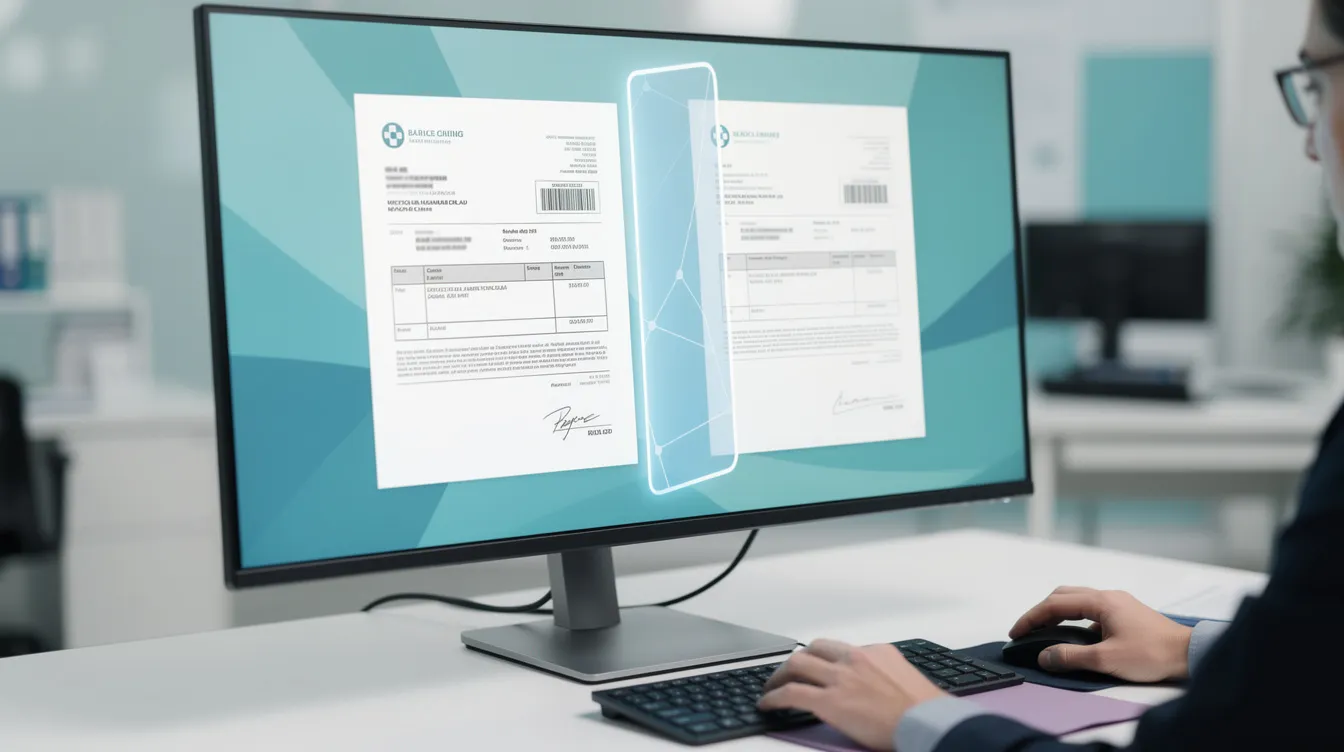
Duplicate claim denials are another recurring category of denial codes in medical billing: they occur when the payer believes the same service has already been submitted and processed. This is one of the most recognizable denial codes in medical billing: CO-18 flags claims where the payer’s system finds a match on provider, patient, date of service, and procedure code.
There is an important difference between a true duplicate and a corrected claim that was improperly filed. If you resubmit a claim without using the correct frequency code (typically frequency code 7 for corrected claims), the payer treats it as a duplicate submission rather than a correction. Common scenarios include:
-
A biller resubmits a claim without first checking claim status, and the original was already paid or in process – check via the 276/277 transaction or the payer portal before refiling
-
A corrected claim is sent as a “new” submission instead of referencing the original claim number – use the proper corrected-claim indicator to avoid CO-18
-
Two providers in the same group bill the same service on the same date of service for the same patient – review internal scheduling and charge capture to prevent duplicate submissions
-
A service that is part of a bundled procedure is also billed as a separate service line – this can trigger both CO-18 and CO-97
Preventing these denial codes in medical billing comes down to process discipline: always check claim status before resubmitting, use correct claim frequency codes, and maintain internal tracking logs that show which claims have been sent, corrected, or appealed.
Eligibility, Coverage, and Coordination of Benefits Denials (CO-22, OA-23, PR-27, etc.)
Eligibility and coordination of benefits errors are among the leading causes of denial codes in medical billing, and most are preventable at the registration desk. When the wrong payer is billed, or primary and secondary insurance are reversed, payers respond with adjustment reason codes that redirect the claim.
Among eligibility-related denial codes in medical billing, CO-22 indicates that care may be covered by another payer in accordance with coordination of benefits rules – meaning the claim was sent to the correct payer but in the wrong order, or the patient has other insurance coverage that should process first. OA-23 relates to secondary payer processing or missing primary payer information. CO-109 means the claim was sent to the wrong payer entirely.
PR-27 and PR-26 are patient-responsibility denial codes in medical billing tied to coverage dates, not payer processing errors. PR-27 flags that the patient’s insurance plan was not active on the date of service. These adjustments shift the balance to the patient unless updated insurance information is available.
Verify patient insurance coverage at each visit to prevent these denial codes in medical billing from recurring. Front-desk best practices include:
-
Run electronic eligibility verification 48–72 hours before each scheduled appointment
-
Confirm primary vs. secondary insurance at every encounter and update records when coverage changes
-
Collect and scan current insurance cards, comparing them to what is on file
-
When working a COB denial, obtain the primary payer’s EOB before resubmitting to the correct payer with supporting documentation
Prior Authorization and Referral Denials (CO-197, CO-15, CO-284, CO-296)
Prior authorization and referral denials are a high-dollar, time-consuming category of denial codes in medical billing, but they are often preventable with structured workflows. These denials arise when a payer requires advance approval for certain services and that approval was not obtained, expired, or did not match the services provided.
Among authorization-related denial codes in medical billing, CO-197 means authorization or precertification was not obtained or is invalid. This is common for imaging tests, elective surgeries, specialty medications, and higher-cost treatments where the insurance company requires advance review. CO-15 flags a claim-level authorization mismatch – the authorization number submitted is missing, invalid, or doesn’t match the billed service or provider, even when an authorization actually exists. That’s distinct from a missing referral: many HMO plans separately require a referral from a primary care provider before covering specialist visits, which billers must track alongside any authorization requirement. Additional codes like CO-284 and CO-296 address more specific authorization requirements, such as services outside an authorization date range or authorization numbers that do not match the billed procedure.
Healthcare providers may need to submit appeals or provide additional documentation based on denial codes in this category. To correct these denials, determine whether the payer allows retro-authorization, submit an appeal with supporting documentation if the service was clinically urgent, or adjust and write off when the plan clearly required prior authorization and none was obtained. Appeals address incorrect payer decisions, but they must be supported by clinical records.
Set up an authorization tracking system that links the authorization number to CPT codes, diagnosis codes, date range, and rendering provider, with alerts before authorization expiration, to keep these denial codes in medical billing to a minimum. MedicalBillingCourse.com covers prior authorization workflows within its revenue cycle modules, including how to verify authorization requirements by payer, track authorization status, and document authorization details on claims to prevent these denials from occurring.
Medical Necessity and Diagnosis Code Mismatch Denials (CO-50, CO-11, CO-167)
Medical necessity denials are among the most contested denial codes in medical billing: they occur when the payer determines that the service billed was not justified based on the diagnosis codes and clinical documentation submitted. CO-50 indicates a service was not deemed medically necessary. This is a contractual obligation code – the healthcare provider absorbs the cost unless an Advance Beneficiary Notice or equivalent waiver was obtained before the service.
CO-11 means the diagnosis code does not support the procedure billed, often flagging an ICD-10 and CPT mismatch or insufficient specificity. CO-167 indicates the diagnosis is not covered under the patient’s plan, which can happen when a screening service is billed with a diagnosis code excluded from insurance coverage under plan exclusions or policy limitations.
Coding and documentation errors are a significant driver of improper payments in medical billing, and CO-50 is one of the most common denial codes in medical billing tied to that pattern. Common causes include using unspecified diagnosis codes when more specific options exist, submitting diagnoses that do not meet the payer’s Local Coverage Determination (LCD) or National Coverage Determination (NCD) criteria, and insufficient clinical documentation. According to KFF’s analysis of Medicare Advantage appeals data, 80.7% of appealed Medicare Advantage denials were partially or fully overturned in 2024 – a strong signal that many medical necessity denials are recoverable with proper documentation, not permanent losses.
To resolve and prevent these denials:
-
Review payer policy (LCD/NCD or commercial medical policy) for the specific billed procedure
-
Confirm the most specific and accurate diagnosis code is assigned – avoid defaulting to unspecified codes
-
Train staff on up-to-date ICD codes regularly, especially when annual code set updates take effect
-
Submit a corrected claim if the wrong code was used, or file a detailed appeal with clinical records, physician narrative, and evidence that all payer criteria were met
-
Ensure billers and coders collaborate: the coder reviews documentation for specificity, and the biller checks payer policy for the service line before submission
Bundling, Global Period, and Modifier Denials (CO-97, CO-4, CO-236)
Bundling-related denial codes in medical billing, led by CO-97, indicate that a service billed separately is considered part of another service under payer bundling rules or global surgery packages. The code means the allowance for the billed procedure is already included in payment for another procedure on the same claim or same date of service.
CO-97 is directly tied to National Correct Coding Initiative edits and global surgery periods (0-day, 10-day, or 90-day postoperative windows). When a procedure falls within a global period or is bundled under NCCI rules, the payer will not pay it separately unless documentation supports that it was a distinct service. Bundling issues are closely related to unbundling errors on the coding side, covered in its own guide.
Modifiers like -25 (significant, separately identifiable E/M), -59 (distinct procedural service), -51 (multiple procedures), and X{EPSU} modifiers exist to indicate when services are legitimately separate. However, adding a modifier without documentation to support it is a compliance risk and can lead to audits.
CO-4 fires when the modifier used is inconsistent with the procedure – for example, appending -59 to a code pair that does not have an NCCI modifier indicator, or using -25 on a visit that lacks a separately documented evaluation. CO-236 flags services not separately payable under the payer’s payment methodology, functioning similarly to CO-97.
Typical scenarios and responses:
-
A post-operative visit billed within the global period is denied as CO-97 – verify the global period days and confirm whether the visit was for an unrelated condition (which would justify modifier -24)
-
Two procedures denied as bundled per NCCI edits – check the NCCI edit tool to see if a modifier is allowed; if so, confirm documentation supports the distinct service before resubmitting
-
A modifier -59 claim is denied as CO-4 – review whether the documentation actually supports a distinct service at a different site, session, or encounter
-
Follow coding guidelines and use NCCI edit lookup tools, payer policy manuals, and internal reference sheets to determine when unbundling is legitimate
Patient Responsibility and PR Denial Codes (PR-1, PR-2, PR-3, PR-27, etc.)
Patient Responsibility codes are a distinct category of denial codes in medical billing that do not always mean the claim is denied in the traditional sense. They indicate amounts that fall under patient responsibility – portions the patient owes based on their insurance plan’s benefit design. PR codes indicate amounts owed by the patient, such as co-pays, deductibles, and coinsurance.
Common PR codes in medical billing include:
-
PR-1: The adjustment applies to the patient’s deductible
-
PR-2: The patient’s coinsurance amount
-
PR-3: The patient’s copayment amount
-
PR-27: Coverage terminated on the date of service
-
PR-204: Service not covered under this patient’s insurance plan
These denial codes in medical billing affect workflow differently than CO or OA adjustments. PR amounts should be routed to patient billing and collections, not to denial management queues. However, billers must still verify accuracy: confirm that the deductible or coinsurance matches the patient’s insurance plan benefits, and that coverage status was correctly reported by the payer.
Financial transparency matters for patient care and collections. Practices should estimate patient responsibility at scheduling or check-in using eligibility and benefits verification tools, and communicate expected costs to patients before services are provided. This reduces surprise bills and improves collection rates.
Key operational points:
-
Route PR adjustments to patient statements promptly – delays reduce collectability
-
Verify PR amounts against the payer’s fee schedule and the patient’s benefit summary
-
Never bill patients for CO contractual amounts – this violates contract terms and, for Medicare patients, federal regulations
-
When PR-27 appears, confirm coverage status and check whether the patient has new or updated coverage before sending a balance
Time Limits and Timely Filing Denials (CO-29, Appeal Deadlines, and More)
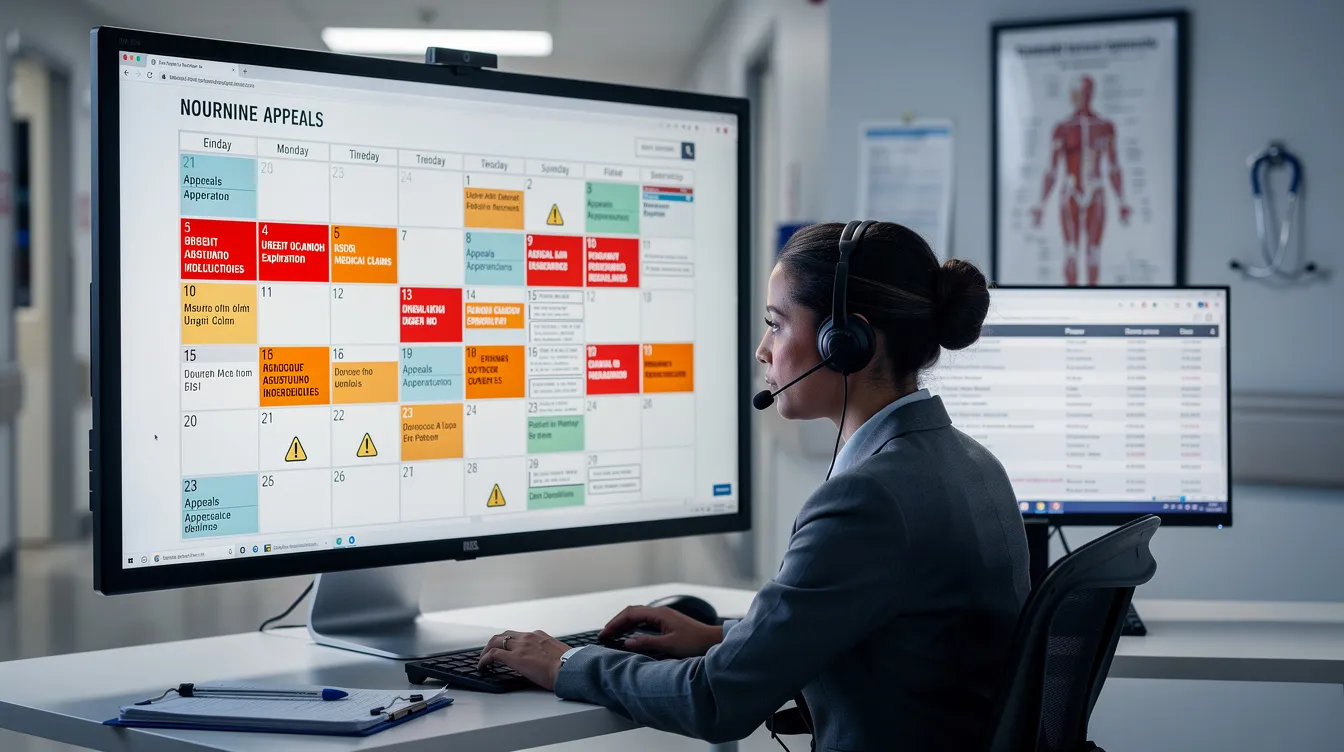
Timely filing denials are among the least forgiving denial codes in medical billing: they occur when claims miss submission deadlines, and they represent some of the most permanent revenue losses in the billing process. Unlike most other denials, CO-29 is often unrecoverable – once the time limit has passed, there are very few exceptions that allow recovery.
Among timely-filing denial codes in medical billing, CO-29 means the claim was submitted after the payer’s filing deadline. For Medicare Part B, federal regulation requires claims to be submitted within 12 months of the date of service. Commercial payers set their own deadlines through contract terms, often ranging from 90 days to one year. Each payer and each plan can have different windows, so billers must know their specific contractual obligations.
Separate time limits apply to appeals and reconsiderations. For Medicare, the standard first-level appeal (redetermination) window is 120 days from receipt of the remittance advice. Commercial insurance plans have their own appeal windows, which may be shorter. Missing an appeal deadline on a claim that was otherwise recoverable is a preventable loss.
Must-have controls for managing time limits:
-
Track filing deadlines with automated alerts in your practice management system – flag unsent or unpaid claims at 30, 60, and 90 days
-
Generate AR aging reports weekly, sorted by payer and denial category, so that approaching deadlines are visible
-
Assign ownership for aged claims – every claim nearing a deadline should have a named staff member responsible for action
-
Log all payer-specific filing and appeal deadlines in a central reference document, and update it when contract terms change
-
MedicalBillingCourse.com trains students to track time limit risk using simple spreadsheets and built-in software reports, building the habit of deadline-driven prioritization from the start
Using Denial Codes to Improve Your Revenue Cycle, Not Just Fix Claims
Denial codes in medical billing are not just problem flags on individual claims – they are data. When tracked consistently, they reveal patterns in registration, coding, authorization workflows, or provider documentation that drive recurring billing errors. Reducing denials starts with understanding why claims fail in the first place, and denial codes help track those trends and improve claim accuracy across the entire practice.
Group these denial codes in medical billing by root cause each month: eligibility and coordination of benefits (CO-22, PR-27), prior authorization (CO-197), medical necessity (CO-50), duplicate claim (CO-18), timely filing (CO-29), bundling (CO-97), and non-covered/fee schedule issues (CO-96, CO-45). Track volumes and dollar amounts by payer and by code.
A meaningful share of initial denials are ultimately overturned and paid when properly worked, particularly for medical necessity and prior authorization categories, as the appeal-overturn data above shows. That means denied claims are often recoverable revenue, not automatic losses – but only if someone actually works them.
Implement a standardized denial management process and use the data to drive improvements:
-
Create a monthly denial report by payer and reason code, and review it with billing staff to identify the top three denial categories
-
Feed denial trends back into targeted training – if CO-96/CO-45 volume is rising, review fee schedule loading and coverage verification; if CO-50 is rising, review coding specificity and documentation habits with providers
-
Set denial rate targets by category and track progress – even small reductions in denial rates can produce measurable cash flow improvements, especially for smaller practices or home-based medical billing businesses
-
Use denial data in payer contract discussions – if a payer’s automated edits are generating high volumes of questionable denials, the data supports a conversation about policy clarity
Building Denial Management Skills with MedicalBillingCourse.com
Denial codes in medical billing can seem overwhelming at first, but they follow repeatable patterns that can be learned and mastered with structured practice. The key is connecting each code to a real workflow – what to check, what to correct, and when to appeal versus write off.
MedicalBillingCourse.com’s certification programs include practical training on denial codes in medical billing and denial management:
-
The Medical Billing Certification and Medical Billing & Coding Certification tracks include hands-on practice with ERA and EOB interpretation, walking students through real denial code scenarios and the decision process for each
-
The 2026 Edition curriculum covers current payer workflows, CMS-1500 claim forms, and real examples of denial codes in medical billing such as CO-97, CO-96, CO-45, CO-22, and common PR codes, with step-by-step resolution guidance
-
Students learn to distinguish between corrected claims and appeals, when to bill the patient, and how to use denial codes in medical billing data to prevent future denials – skills that apply whether working in a practice or running an independent billing operation
-
Tracks that include home-based business training cover denial management as a core competency, since timely resolution of denials directly affects client retention and revenue
MedicalBillingCourse.com’s certification programs cover denial management as part of the core curriculum.
Denial codes in medical billing come with a learning curve, but mastery comes with practice and good instruction. Every code you learn to prevent or resolve makes you more effective – and more valuable – as a medical biller.

Tri Smith is a Managing Partner and Instructor at MedicalBillingCourse.com, where he helps guide the program’s direction, curriculum, and student experience. With more than six years of experience, he focuses on practical medical billing skills, including claims, payer communication, compliance, and the full billing lifecycle.
Tri also helped lead the development of the 2026 course edition, including the Medical Billing and Coding certification track. His approach emphasizes clear instruction, practical application, and preparing students to apply what they learn in real-world billing environments.


