- 04/27/2026
- Posted by: Tri Smith, Instructor
- Category: Medical Billing Career
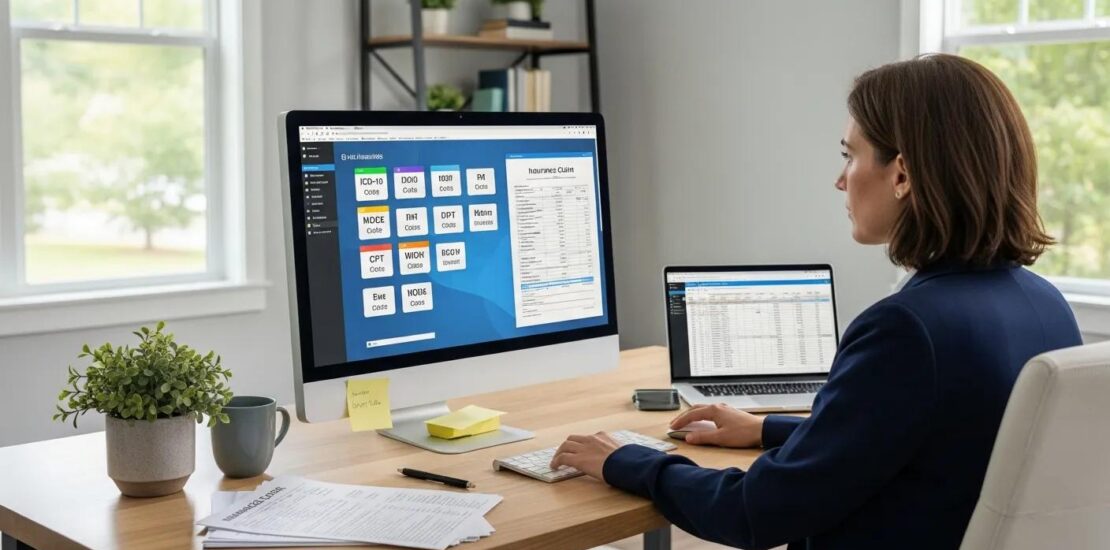
Launching Your Medical Billing Career
Medical billing is a practical, in-demand role in healthcare focused on processing and managing claims so providers receive payment. This guide explains the education, certification, training options, and job paths in the field. Use the information and resources here to plan each step. We cover certification, training programs, gaining experience, and job opportunities to give you a clear roadmap into medical billing.
Educational Requirements
A high school diploma or GED is the minimum entry requirement for medical billing. Many employers prefer candidates with additional training. Options include online certificate programs, diploma courses, or associate degrees in healthcare administration or medical billing. These programs teach medical terminology, coding basics, and billing practices, essential skills for the role.
Tri Smith, an Instructor at MedicalBillingCourse.com, emphasizes, “Accuracy in medical billing hinges on a thorough understanding of both medical terminology and payer requirements. Training programs that integrate real-world scenarios with coding principles prepare students to navigate the complexities of claims processing effectively and reduce costly errors.”
Certification
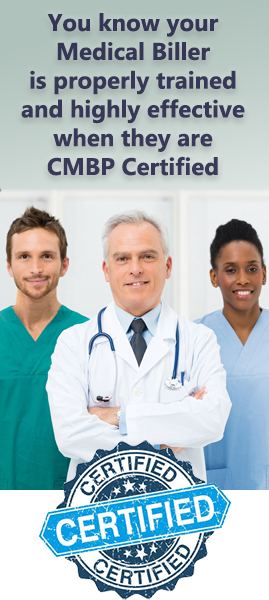
Certification is a key step to advancing in medical billing. Completing a medical billing course is often the first requirement. Our courses are designed to prepare you thoroughly for certification exams, validating your skills and improving your credibility with employers.
| Program | Certification Awarded | What’s Included |
|---|---|---|
| Program 1 | Medical Billing Certification + HIPAA Certification | Core medical billing training covering billing fundamentals, payer systems, claims processing, and compliance |
| Program 2 | Medical Billing Certification + HIPAA Certification | All Program 1 content plus business modules focused on starting and operating a home-based medical billing business |
| Program 3 | Medical Billing and Coding Certification + HIPAA Certification | All Program 3 content, plus business modules for launching and managing a medical billing business |
| Program 4 | Medical Billing and Coding Certification + HIPAA Certification | All Program 3 content plus business modules for launching and managing a medical billing business |
Our specialized training programs are designed to prepare candidates for these certification exams and improve exam readiness.
Training
Enroll in a comprehensive medical billing course that includes hands-on software training. Familiarity with billing software is essential. Many online courses offer flexible schedules so you can learn at your own pace while managing other commitments.
Gaining Experience
Practical experience is critical. Seek entry-level roles that provide on-the-job training and mentorship. Internships are another way to gain real-world experience and build industry contacts. Many programs also provide job placement support to help you secure your first position.
Job Opportunities
The job market for certified medical billers offers roles across hospitals, clinics, private practices, and remote positions supporting telehealth. Demand for skilled billers continues to grow, creating stable employment options in a range of healthcare settings.
Use job boards, professional networks, and employer resources to find listings and networking opportunities that match your goals.
Starting Your Own Business
Starting a home-based medical billing service is a viable path for some. You will need appropriate business licenses and a HIPAA-compliant workspace. This option offers flexibility and income potential but requires solid billing knowledge and business skills.
Continuing Education
Ongoing education keeps you current on coding updates and industry standards. Regular training preserves your competitive edge and ensures compliance with best practices. Many certifying bodies require continuing education credits to maintain credentials.
What Is Medical Billing and Why Choose It as a Career?
Medical billing converts clinical procedures into claims submitted to insurers for reimbursement. It ensures providers receive payment for services. The role offers steady hours, job security, and opportunities to work in a growing sector of healthcare.
What Does a Medical Biller Do?
A medical biller is responsible for several key tasks, including:
- Reviewing Medical Documentation: Ensuring that all necessary information is present for accurate billing.
- Preparing and Submitting Claims: Creating and sending claims to insurance companies for reimbursement.
- Following Up on Claims: Monitoring the status of claims and addressing any issues that arise.
These duties demand attention to detail and a solid understanding of coding and billing procedures.
What Are the Benefits of a Career in Medical Billing?
Pursuing a career in medical billing comes with numerous advantages:
- High Demand: The healthcare industry is continually growing, leading to an increased need for medical billers.
- Flexible Work Arrangements: Many medical billing positions offer the option to work remotely.
- Opportunities for Advancement: With experience and additional certifications, medical billers can advance to higher-paying positions.
How to Get Certified in Medical Billing: Steps and Requirements
To become certified in medical billing, follow these steps:
- Complete a Medical Billing Course: This foundational training is essential for understanding the billing process.
- Prepare for Certification Exams: Study the material thoroughly and consider joining study groups or using practice exams provided in our course.
- Pass the Certification Exam: Successfully completing the exam will earn you a recognized credential in the field.
What Are the Key Medical Billing Certifications?
Our programs are designed around practical certification outcomes aligned with real-world medical billing and coding roles:
- Medical Billing Certification: Focuses on billing fundamentals, payer systems, claims processing, and compliance workflows used in day-to-day operations.
- HIPAA Certification: Emphasizes patient privacy, data security, and regulatory compliance required when handling protected health information.
- Medical Billing and Coding Certification: Expands on billing by incorporating coding principles, preparing students for broader responsibilities within healthcare administration.
How to Prepare for Medical Billing Certification Exams?
Preparing for certification exams requires a strategic approach:
- Create a Study Schedule: Allocate specific times for studying to ensure comprehensive coverage of the material.
- Use Practice Exams: Familiarize yourself with the exam format and types of questions you may encounter, many of which are included in our training materials.
- Join Study Groups: Collaborating with peers can enhance understanding and retention of complex topics.
Comprehensive review materials and targeted practice exams are valuable resources during preparation.
What Medical Billing Training Programs Are Available Online?
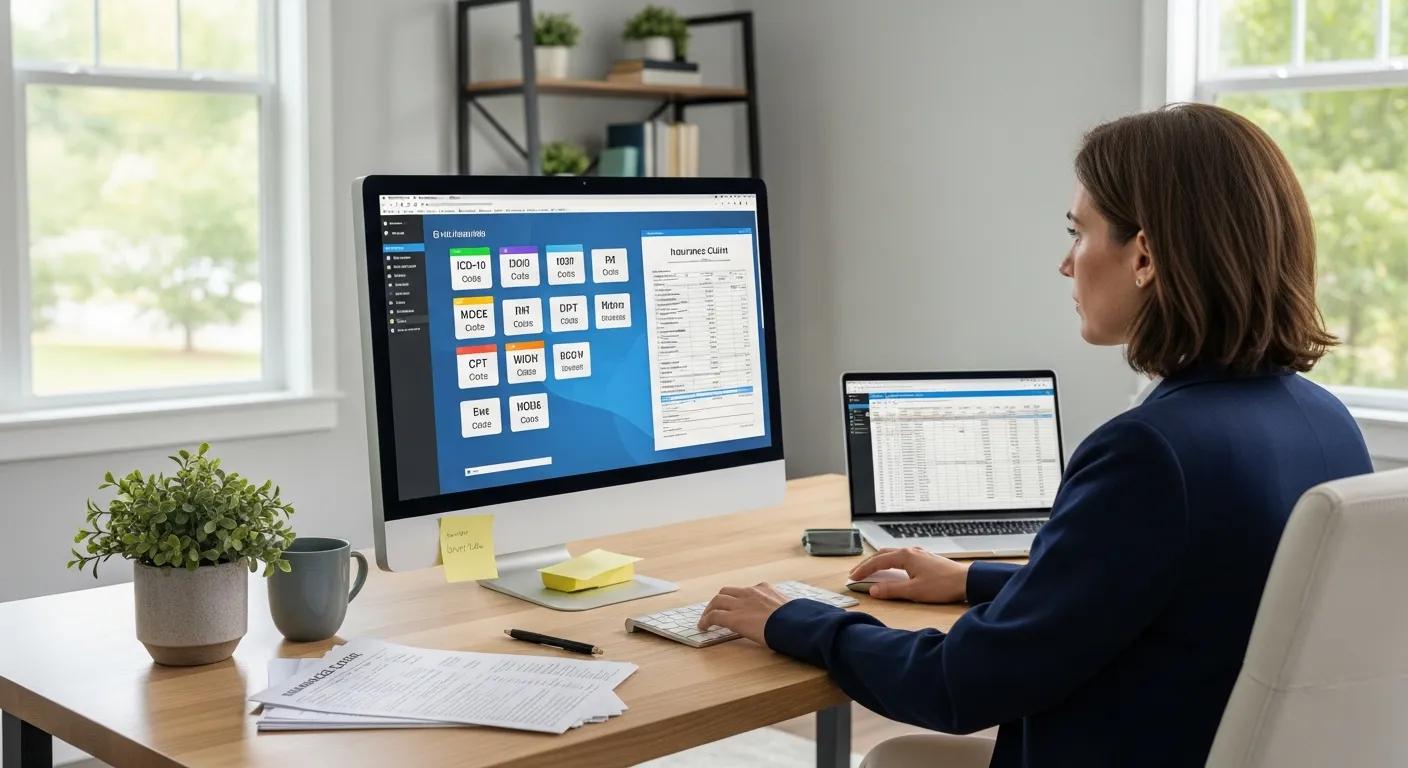
Online training options include comprehensive medical billing courses, flexible self-paced programs, and hands-on software training. Choose programs that balance theory with practical experience using industry-standard tools.
- Comprehensive Medical Billing Courses: Covering all aspects of medical billing and coding.
- Flexible Learning Options: Allowing students to learn at their own pace.
- Hands-On Software Training: Providing practical experience with industry-standard billing software.
How to Choose the Right Medical Billing Course Online?
When selecting an online medical billing course, consider the following factors:
- Curriculum and Flexibility: Ensure the course covers essential topics and fits your schedule.
- Instructor Experience: Look for courses taught by experienced professionals in the field.
- Accreditation: Verify that the program is recognized by industry standards.
How to Find Entry-Level Medical Billing Jobs and Advance Your Career
Finding entry-level medical billing jobs is possible through several strategies:
- Utilize Job Boards: Websites like Indeed and Glassdoor often list entry-level positions.
- Network with Professionals: Attend industry events and connect with others in the field.
- Leverage Educational Resources: Many training programs offer job placement assistance to help graduates find employment.
Where to Look for Medical Billing Jobs for Beginners?
For beginners, use job boards, contact local healthcare facilities, and attend networking events. Hospitals, clinics, and specialty practices commonly hire entry-level billers.
- Job Boards: Websites like Indeed and Glassdoor frequently post entry-level positions.
- Local Healthcare Facilities: Hospitals and clinics often have openings for medical billers.
- Networking Events: Engaging with professionals in the field can lead to job opportunities.
What Skills Are Needed to Succeed in Medical Billing Jobs?
Key skills for success include attention to detail, analytical ability, and clear communication. These skills support accurate coding, claim processing, and coordination with providers and payers.
- Attention to Detail: Accuracy is crucial in processing claims and coding.
- Analytical Skills: The ability to analyze medical documentation and billing codes is vital.
- Communication Skills: Effective communication with healthcare providers and insurance companies is necessary.
What Is the Salary Outlook and Industry Trends for Medical Billing Professionals?
Job growth for medical billing professionals is projected at 9% from 2020 to 2030. The median annual wage was about $48,800 in 2021. Earnings can rise with experience and by working in higher-paying locations or settings.
What Is the Average Medical Billing Salary in 2024-2026?
In some states, medical billing salaries are expected to exceed $64,000 in the 2024–2026 period. Salary levels depend on experience, location, and the healthcare setting.
How Is the Medical Billing Industry Evolving?
Automation and remote work are changing medical billing workflows. These trends streamline processes and create more remote job opportunities. Professionals must stay current on technology to remain effective.
Understanding electronic medical records and their role in billing is also essential for staying current in the field.
How to Continue Education and Advance in Medical Billing Careers?
Advance by earning additional certifications and pursuing ongoing education. Keep your skills current to remain competitive and meet changing industry requirements.
What Advanced Certifications and Skills Can Boost Your Career?
Advanced certifications can improve career prospects. Consider certifications such as:
- Certified Professional Biller (CPB): Validates your expertise in billing practices.
- HIPAA Certification: Demonstrates your understanding of patient privacy regulations.
How to Stay Updated with Medical Billing Industry Changes?
Stay informed through continuing education, workshops, and trusted industry resources. Regular learning helps you adapt to coding updates, software changes, and regulatory shifts.
To further enhance your career prospects, consider enrolling in a medical billing course program. These programs provide comprehensive training and can significantly boost your expertise.
For those looking to expand their knowledge, exploring additional medical billing course programs can be highly beneficial. These programs offer specialized training and advanced insights into the field.
One former student shared that completing the Medical Billing Course gave them a clearer understanding of billing systems and significantly reduced errors in their work, making them well-prepared for professional responsibilities.
Frequently Asked Questions
What are the common challenges faced by new medical billers?
New billers often find medical coding and billing regulations complex and overwhelming without structured training. Navigating varied insurance policies and reimbursement rules can be difficult. Managing multiple claims and deadlines also tests time management. Mentorship and ongoing education help reduce these challenges and build competence.
How can I improve my chances of getting hired as a medical biller?
Improve your hireability by gaining relevant experience and certifications. Complete a medical billing course and pursue credentials like the CPB offered through our programs. Network in the healthcare community, attend industry events, use job boards, and demonstrate strong communication and analytical skills in interviews.
What software tools are commonly used in medical billing?
Common tools include Electronic Health Record (EHR) systems for patient information and billing platforms such as AdvancedMD, Kareo, and PracticeSuite. These applications support coding, claim submission, and payment tracking. Hands-on training in these systems improves accuracy and efficiency.
What is the role of a medical billing specialist in a healthcare team?
A medical billing specialist ensures providers are reimbursed for services. Tasks include reviewing patient records, coding diagnoses and procedures, submitting claims, and following up on unpaid or denied claims. Their work directly affects the financial operations of healthcare facilities.
Are there opportunities for remote work in medical billing?
Yes. Many healthcare organizations and billing companies offer remote roles. Advances in software and the growth of telehealth have expanded remote opportunities. A reliable internet connection and a dedicated workspace are essential for success in remote positions.
What continuing education options are available for medical billers?
Continuing education options include online courses, workshops, and webinars offered through our programs and trusted industry resources. Programs cover new coding guidelines, billing software updates, and regulatory changes. Ongoing education helps meet certification requirements and enhances professional skills.
How does the medical billing industry adapt to technological advancements?
The industry is adopting automation and AI to streamline billing tasks, reduce errors, and improve efficiency. Automated systems can handle claim submission and routine follow-ups, freeing billers to focus on complex cases. The rise of EHRs has changed how patient data is managed and shared. Staying informed on these technologies is essential for career longevity.
About Leadership
Tri Smith is an Instructor at MedicalBillingCourse.com, where he has spent over five years helping thousands of students become certified medical billers. He is deeply committed to student success and takes great pride in seeing graduates advance their careers, secure remote billing positions, and launch home-based businesses. Tri’s expertise and leadership continue to shape the next generation of medical billing professionals, empowering them to thrive in this dynamic and growing field.

Tri Smith is a Managing Partner and Instructor at MedicalBillingCourse.com, where he leads both the strategic direction and instructional delivery of the program. With over six years of experience, he works closely with students and internal teams to ensure the course remains aligned with real-world medical billing practices while continuing to evolve with industry needs.
His work focuses on guiding learners through the full medical billing lifecycle, from foundational processes to more advanced topics such as claim accuracy, payer communication, and compliance. He is directly involved in how the course is structured, how assessments are designed, and how students are supported as they progress from training into practical application.
Under his leadership, MedicalBillingCourse.com launched the 2026 edition of the course, which includes the new Medical Billing and Coding certification track and reflects a more modern, structured approach to training. These updates emphasize clarity, real-world readiness, and scalable learning systems that support both new students and returning graduates.
Tri has helped thousands of students complete their certification and move into roles ranging from remote billing positions to in-office healthcare settings and independent billing businesses. His approach emphasizes practical execution, consistent standards, and the ability to turn training into a real opportunity.