Become a Master Certified Medical Billing Professional Today
- 03/12/2026
- Posted by: Tri Smith
- Category: Medical Billing Certification

Become a Certified Medical Billing Professional Today: A Practical Guide to Courses, Exams, and Career Growth
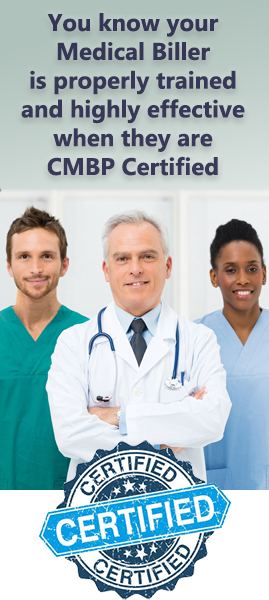
Becoming a certified medical billing professional is a smart step toward a stable, rewarding career in healthcare administration. This guide walks you through the essentials: how certification courses are structured, smart ways to prepare for the exam, the roles you can pursue afterward, and why online training might be a good fit. Medical billing and coding can feel complex at first, but with focused training and the right resources, you can learn the skills employers want and confidently start your career.
“Accuracy and compliance are the cornerstones of effective medical billing professional, a well-structured certification course not only teaches the technical coding and billing processes but also instills the critical thinking needed to navigate evolving regulations and payer requirements. This foundation is essential for professionals to maintain integrity and efficiency in their daily work.” – Tri Smith, Instructor at MedicalBillingCourse.com.
What Are Medical Billing Certification Courses and How Do They Prepare You?
Medical billing certification courses are organized programs that teach the core skills you need to work in billing and revenue cycle roles. Typical coursework includes coding systems, insurance verification, and billing workflows, all the pieces that ensure providers get paid correctly and on time. Completing a certification course gives you a solid, practical foundation and makes your resume more competitive when applying for entry-level and skilled billing positions.
Understanding Online Medical Billing Training Options

Online training gives you flexibility and access to a variety of learning formats. Many programs let you study at your own pace and combine video lessons, interactive modules, and quizzes to reinforce learning. That format works well if you’re balancing work, family, or other commitments, and it can prepare you thoroughly for the certification exam when you follow a steady study plan.
Key Modules and Skills Covered in Certification Courses
Most certification programs focus on a core set of topics that employers expect. Common modules include:
- Medical Terminology: Learning the language used in healthcare so you can read charts and enter accurate information.
- Coding Systems: Training in ICD-10, CPT, and HCPCS codes to document services correctly.
- Insurance Processes: How claims are filed, adjudicated, and followed up to secure reimbursement.
These areas are essential not only for passing certification exams but also for doing the day-to-day work of a billing professional accurately and efficiently.
Additional Critical Skills and Frameworks for Success
Beyond the core modules, top certification courses now emphasize:
- Data Privacy and Security: Understanding HIPAA regulations and best practices to protect patient information.
- Revenue Cycle Management (RCM): A comprehensive framework covering all financial processes from patient registration to final payment.
- Soft Skills: Communication, problem-solving, and time management to handle denials, appeals, and interactions with providers and insurers effectively.
Incorporating these skills ensures you are prepared for the evolving demands of the healthcare billing environment.
How Can You Successfully Prepare for the Medical Billing Certification Exam?
Preparing for the certification exam works best when you combine a clear plan with consistent practice and the right study materials.
Exam Requirements and Format for Medical Billing and Coding Certification
Certification exams usually use multiple-choice questions to test knowledge of coding, billing procedures, and compliance. Programs often require you to complete a course or gain some hands-on experience before sitting for the test. Familiarizing yourself with the exam format and the specific content areas covered will make your study time more effective.
Effective Study Tips and Resources for Certification Exam Preparation
Try these practical study strategies:
- Create a Study Schedule: Block regular study times so you make steady progress without last-minute cramming.
- Use Practice Exams: Practice tests help you get comfortable with question formats and highlight topics that need more review.
- Join Study Groups: Working with peers can clarify tricky concepts and keep you motivated.
- Apply Real-World Scenarios: Practice coding and billing using case studies or simulated patient records to deepen understanding.
- Leverage Technology: Use apps and software tools designed for medical billing practice to enhance learning efficiency.
Many courses also include dedicated study guides, flashcards, and instructor support. Take advantage of those resources as you prepare.
What Career Opportunities Await After Medical Billing Specialist Training?

Once you complete billing specialist training and earn certification, a variety of entry-level and growth roles open up. Demand for trained billing professionals remains steady as healthcare organizations look for staff who can manage claims and protect revenue.
Job Roles and Industry Demand for Certified Medical Billing Professionals
Common positions include:
- Medical Billing Specialist: Prepares and submits claims to insurers and follows up on payments.
- Medical Coder: Converts clinical services into standardized codes used for billing and reporting.
- Billing Manager: Leads billing teams, oversees workflows, and ensures regulatory compliance.
- Compliance Auditor: Reviews billing processes and documentation to ensure adherence to laws and payer policies.
- Revenue Cycle Analyst: Analyzes billing data to identify trends, inefficiencies, and opportunities for process improvement.
Healthcare providers, clinics, and billing services regularly seek certified medical billing professionals to improve accuracy and efficiency in their revenue cycles.
Why Choose Online Medical Billing Training for Certification and Continuing Education?
Online medical billing programs suit many medical billing professionals because they combine convenience with a range of learning tools designed for real-world skills.
Benefits of Flexible Online Training for Medical Billing Certification
Flexibility is a key advantage: you can progress at a pace that fits your schedule while accessing recorded lectures, interactive exercises, and instructor feedback. Online cohorts also often include forums or live sessions where you can ask questions and connect with classmates.
Continuing Education Options to Maintain and Upgrade Certification
Keeping your certification current is important. Professional groups and training providers offer workshops, webinars, and short courses that cover coding updates, compliance changes, and new software tools. Regular continuing education helps you stay competitive and can lead to new specialties or leadership opportunities.
Practical Steps to Maximize Continuing Education Benefits
- Schedule Regular Learning: Dedicate time quarterly to update your knowledge and skills.
- Engage with Professional Communities: Join forums and attend conferences to network and learn emerging trends.
- Specialize: Pursue certifications in niche areas like oncology coding or compliance auditing to increase marketability.
- Utilize Employer Resources: Many healthcare organizations offer tuition reimbursement or in-house training, so take advantage of these benefits.
Frequently Asked Questions
What is the difference between medical billing and medical coding?
Billing and coding are closely related but distinct. Medical coding translates clinical services, diagnoses, and procedures into standardized codes (like ICD-10 or CPT). Medical billing takes those codes and prepares claims, files them with insurers, and follows up to secure payment. Both roles work together to ensure accurate reimbursement and regulatory compliance.
How long does it typically take to complete a medical billing certification course?
Course length varies by program and how much time you can commit. Many online programs can be completed in three to six months with steady study, while classroom or more comprehensive programs may take closer to a year. Your pace, hours per week, and curriculum depth will determine exact timing.
Can I work as a medical billing professional from home?
Yes, many billing roles are remote, especially with more providers adopting telehealth and cloud-based billing systems. Remote work requires a reliable internet connection, a quiet workspace, and the necessary software. Employers may also specify particular certifications or experience for remote positions.
What are the most common challenges faced by medical billing professionals?
Common challenges include navigating complex insurance rules, handling denials and appeals, and keeping up with frequent coding and regulatory changes. Strong organization, attention to detail, and problem-solving skills help you manage these challenges and perform effectively in billing roles.
Conclusion
Becoming a certified medical billing professional opens doors to a stable and rewarding career in healthcare administration. With the right training and resources, you can master essential skills that enhance your employability and prepare you for various roles in the industry. Embrace the flexibility of online courses to fit your learning into your busy life and take the first step toward your new career today. Explore our comprehensive training options and start your journey to certification now.
About the Author
Tri Smith is an Instructor at MedicalBillingCourse.com, where he has spent over five years helping thousands of students become certified medical billers. He is deeply committed to student success and takes great pride in seeing graduates advance their careers, secure remote billing positions, and launch home-based businesses. Tri’s expertise and leadership continue to shape the next generation of medical billing professionals, empowering them to thrive in this dynamic field.